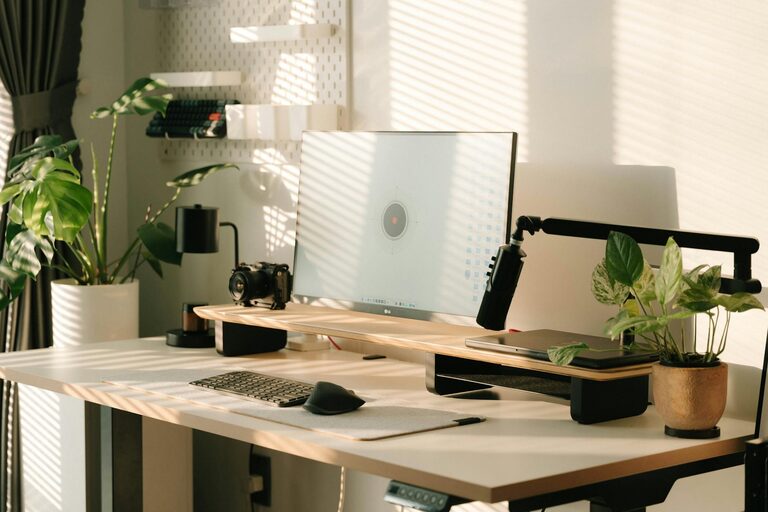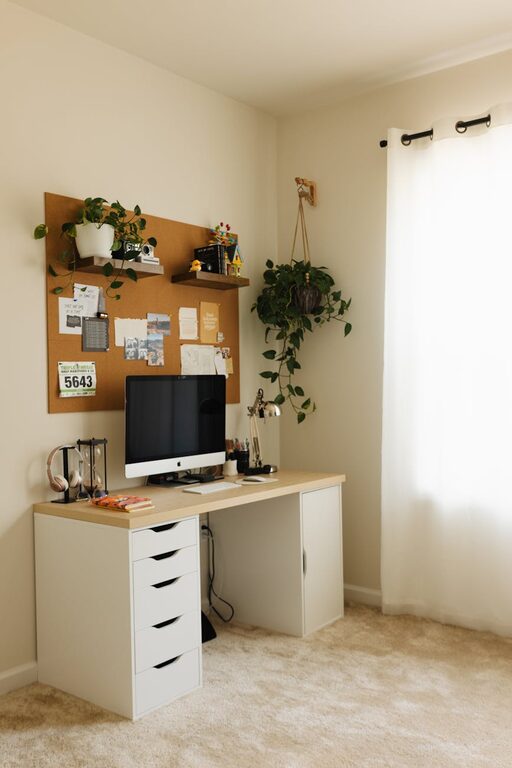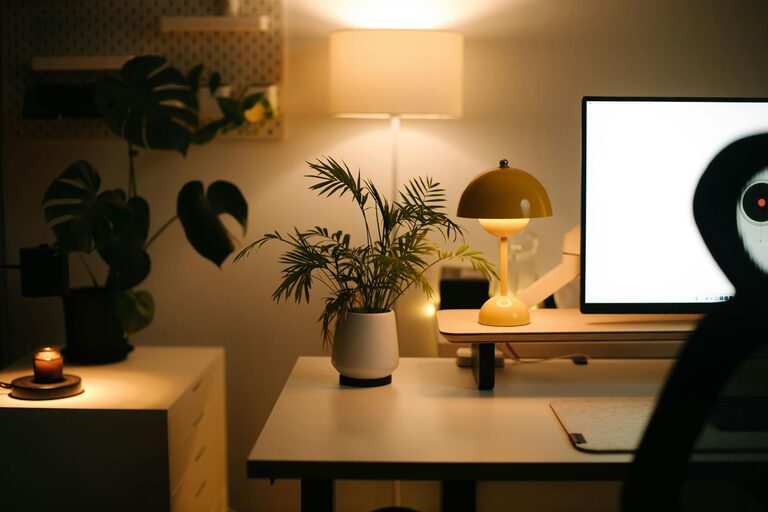
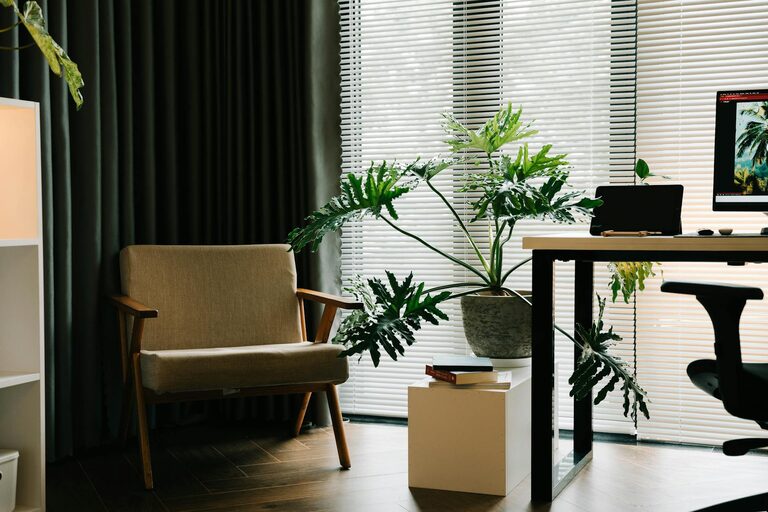
Creating a relaxing home office environment is essential for maintaining focus, reducing stress, and boosting productivity—especially as more people work remotely. A well-designed workspace not only helps you stay organized but also creates a positive atmosphere that encourages creativity and efficiency. In this post, we’ll explore practical tips to help you build a calming and inviting home office tailored to your needs.
Why a Relaxing Home Office Matters
Your home office is more than just a spot to set up your computer. It’s where you spend significant amounts of time thinking, planning, and communicating. If your workspace is cluttered, noisy, or uncomfortable, it can drain your energy and make work feel like a chore. On the other hand, a peaceful environment promotes mental clarity and helps you approach tasks with a fresh perspective.
Choose the Right Location
Select a Quiet Spot
Pick a space that offers minimal distractions. If possible, choose a room with a door to help separate work from home life. Avoid high-traffic areas like the kitchen or living room.
Prioritize Natural Light
Natural light improves mood and alertness. Set up your desk near a window to enjoy daylight during your work hours. If natural light is limited, invest in full-spectrum lighting that mimics daylight.
Invest in Comfortable and Functional Furniture
Ergonomic Chair
Comfort is key. Choose an ergonomic chair that supports your back and encourages good posture. This can prevent discomfort and health issues over time.
Suitable Desk
Find a desk with enough space for your computer, documents, and other essentials. Adjustable desks that allow you to alternate between sitting and standing can add variety and reduce fatigue.
Personalize Your Space Thoughtfully
Calming Colors
Use soothing colors like soft blues, greens, or neutrals for your office walls and accessories. These tones create a more tranquil atmosphere.
Add Plants
Indoor plants improve air quality and add a touch of nature. Popular easy-care plants include succulents, pothos, and snake plants.
Inspirational Decor
Display a few meaningful items such as artwork, motivational quotes, or photos to make the space feel welcoming but avoid overcrowding.
Keep Your Workspace Organized
Use Storage Solutions
Declutter with shelves, baskets, or filing cabinets. An organized desk reduces distractions and saves time searching for materials.
Cable Management
Tidy up cables with clips or sleeves to keep your area neat and avoid tripping hazards.
Daily Clean-Up Routine
Spend a few minutes at the end of each day tidying your desk to maintain a fresh start the next morning.
Control Noise and Distractions
Soundproofing Options
Consider rugs, curtains, or acoustic panels to soften noises. Use noise-canceling headphones or white noise machines if needed.
Set Boundaries
Communicate your work hours to family or housemates to minimize interruptions.
Enhance Air Quality and Comfort
Good Ventilation
Ensure your workspace has fresh air coming in. If windows aren’t available, an air purifier may help.
Temperature Control
Keep the room at a comfortable temperature. Use fans, heaters, or humidifiers as necessary.
Incorporate Healthy Habits
Take Regular Breaks
Step away from your desk periodically to stretch and rest your eyes. Short walks or simple stretches can rejuvenate you.
Stay Hydrated and Snack Wisely
Keep a water bottle handy and opt for nutritious snacks to maintain energy throughout the day.
Use Technology to Your Advantage
Productivity Tools
Leverage apps and calendars to organize tasks and deadlines clearly.
Screen Positioning
Place your monitor at eye level to reduce neck strain. Use blue light filters to protect your eyes during extended screen time.
—
By following these tips, you can create a home office environment that supports your well-being and productivity. Remember, the ideal space reflects your preferences and needs, so don’t hesitate to experiment until you find what works best for you. A calming workspace will help you enjoy your workday and feel more balanced overall.
About the Author