Creating a home office that is both relaxing and productive can dramatically improve your work-from-home experience. Whether you’re spending a few hours on a side project or working full-time, a thoughtfully arranged workspace helps you stay focused and reduces stress. Here are some practical tips to help you design a home office space that supports your best work while keeping you relaxed.
Choose the Right Location
Look for Natural Light
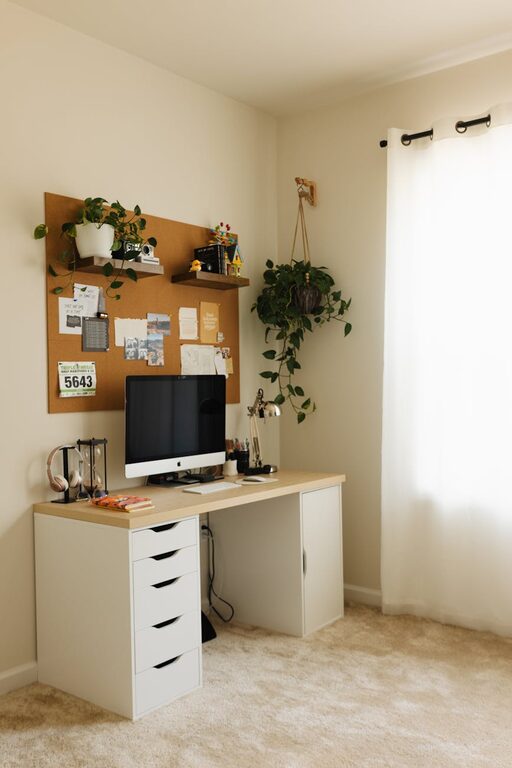
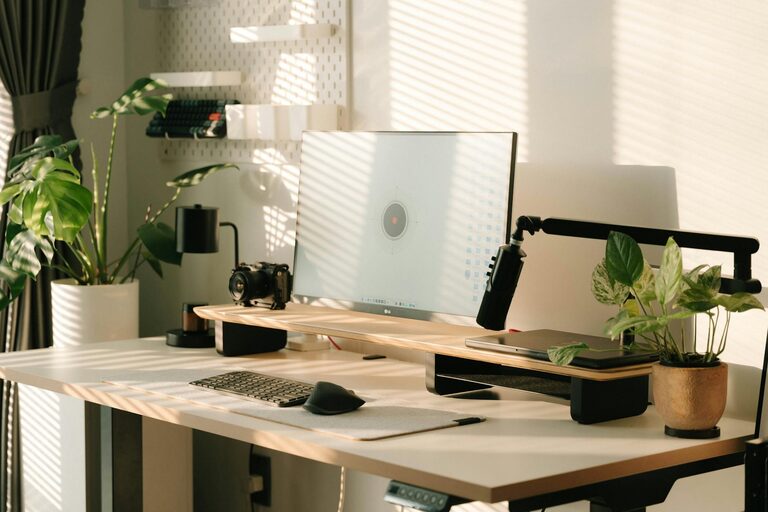
Natural light has a positive effect on mood and alertness. If possible, set up your workspace near a window to take advantage of sunlight. This also helps reduce eye strain from artificial lighting.
Find a Quiet Spot
Choose a place in your home where you can minimize noise and distractions. A dedicated room is ideal, but if that’s not available, try using room dividers or noise-canceling headphones.
Invest in Ergonomic Furniture
Comfortable Chair
Since you’ll be sitting for long stretches, invest in a chair that supports good posture. Adjustable height, lumbar support, and cushioning are key features to look for.
Desk at the Right Height
Your desk should allow you to keep your wrists straight and your forearms parallel to the floor when typing. Adjustable desks or laptop stands can help customize your setup.
Organize Your Space Efficiently
Declutter Regularly
Keep only the essentials on your desk to avoid feeling overwhelmed. Use storage boxes, shelves, or drawers to organize supplies and paperwork.
Use Cable Management Solutions
Tangled cords can be distracting. Use cable clips, sleeves, or a cable box to keep wires organized and out of sight.
Incorporate Calming Elements
Add Plants
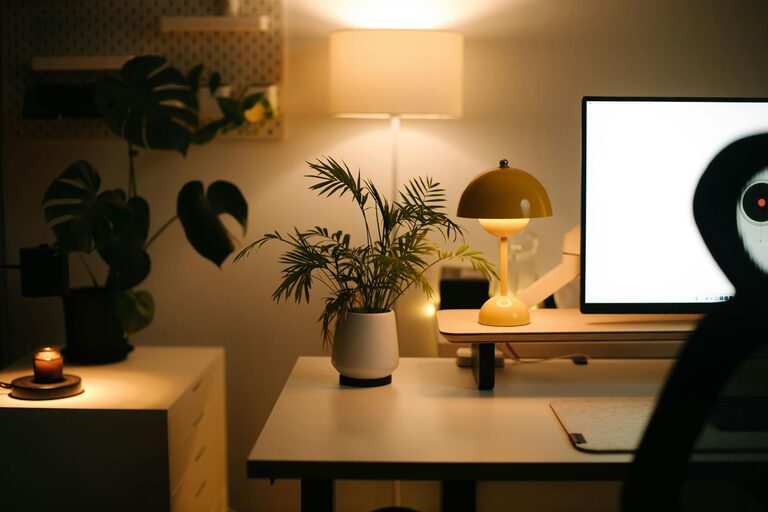
Greenery can reduce stress and increase productivity. Even a small potted plant or a succulent on your desk can improve the ambiance.
Use Soft Lighting
Avoid harsh overhead lights. Consider desk lamps or floor lamps with warm bulbs to create a soothing atmosphere, especially during early mornings or late afternoons.
Personalize Your Workspace
Adding personal touches can make your office feel inviting. Use artwork, photos, or inspirational quotes that motivate you but avoid overdecorating to keep the space functional.
Manage Technology Wisely
Invest in Reliable Equipment
A fast internet connection, a good quality headset, and an efficient computer setup reduce technical frustrations.
Limit Distractions
Turn off unnecessary notifications or use apps that help you focus by blocking distracting websites during work hours.
Take Regular Breaks
Set a timer to remind yourself to stretch or take short walks. Breaks help prevent burnout and keep your mind fresh.
Maintain a Routine
Start and end your workday at consistent times. Dressing as if you’re going to an office can mentally prepare you for work and promote productivity.
Keep Air Quality and Temperature Comfortable
Good ventilation and a moderate room temperature help you stay alert. Consider a small fan, air purifier, or humidifier, especially if you work in a space that can become stuffy.
Summary
Creating a home office space that promotes relaxation and productivity involves a mix of thoughtful location choice, ergonomic furniture, efficient organization, and calming personal touches. By paying attention to lighting, comfort, and your work habits, you can enjoy a workspace that supports your work goals and well-being. Start small, and adjust your environment until you find the perfect balance for your needs.
About the Author