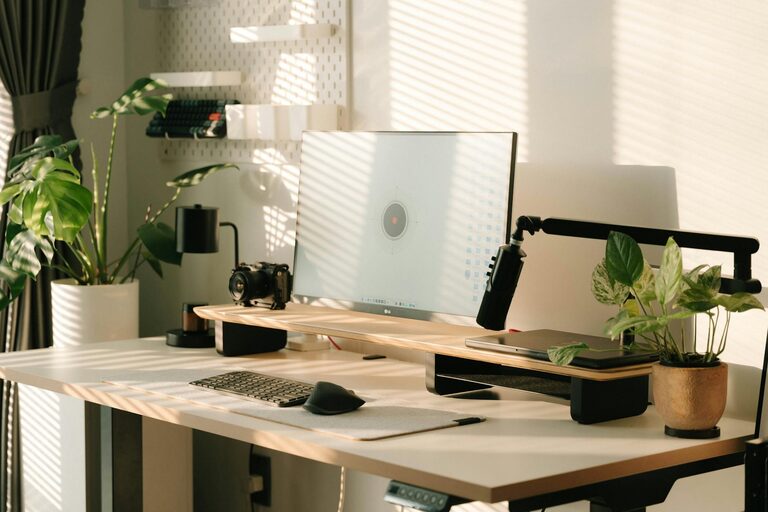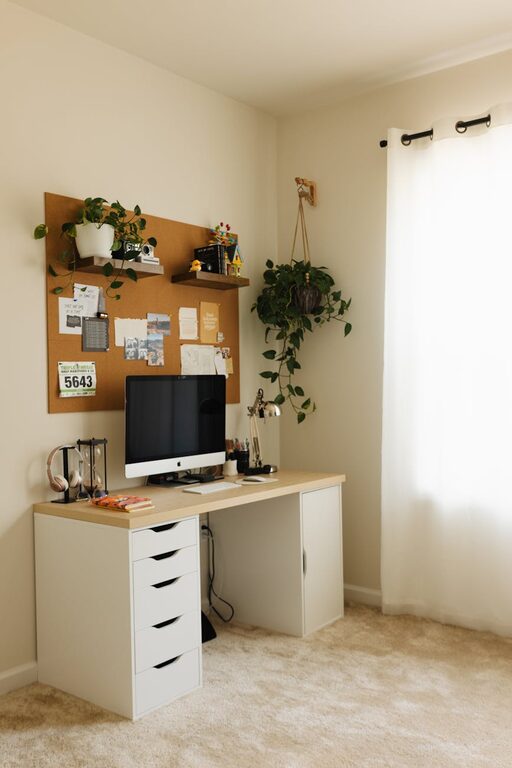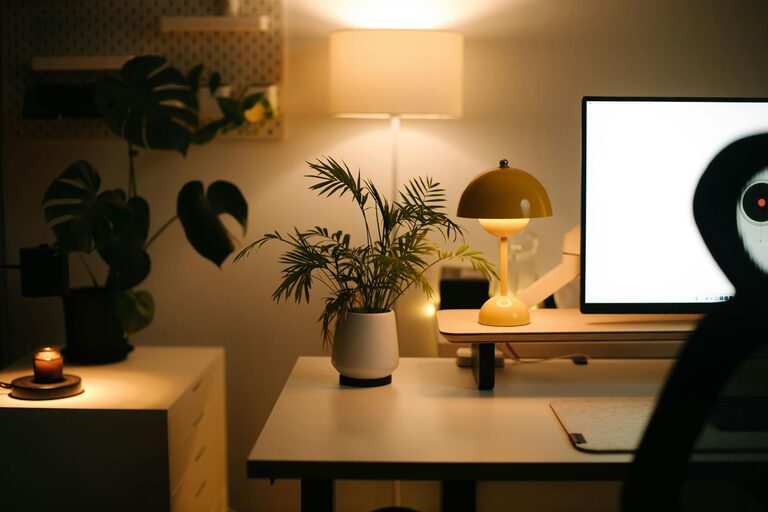
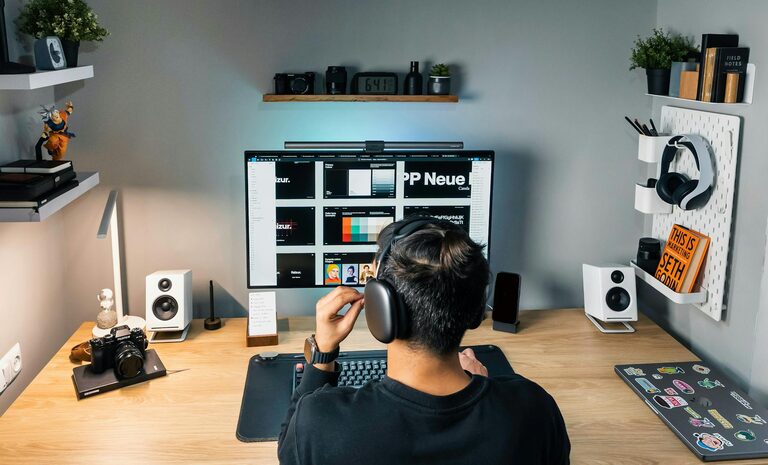
Creating a home office that is both cozy and productive can make a significant difference in how you approach your workday. A well-designed space not only helps you stay focused but also reduces stress and increases comfort. Whether you have a dedicated room or a small corner, there are simple steps to transform your area into a place where you love to work. In this post, we’ll explore practical tips to help you achieve a balance between comfort and efficiency in your home office.
Choose the Right Location
The foundation of a good home office starts with selecting the right spot in your home.
– Natural light: Pick a place near a window if possible. Natural light boosts mood and energy levels throughout the day.
– Quiet area: Find a space away from high-traffic or noisy parts of your home to minimize distractions.
– Space for essentials: Make sure the area can fit your desk, chair, and other necessary equipment comfortably.
If space is limited, consider corners or even a nook in your living room or bedroom. Space doesn’t have to be large to work well.
Invest in a Comfortable Chair and Desk
Your chair and desk are the most important pieces of furniture in your office.
– Ergonomic chair: Choose a chair that supports your back and encourages good posture. This prevents discomfort during long working hours.
– Desk size: Select a desk with enough space for your computer, paperwork, and any tools you use regularly.
– Adjustable options: Desks that can adjust from sitting to standing height are excellent for varying your posture and reducing fatigue.
Taking care when choosing these items pays off in comfort and productivity.
Organize and Declutter
A tidy and organized workspace allows for better focus.
– Storage solutions: Use shelves, drawers, or baskets to keep your office supplies in order.
– Cable management: Keep wires and cords tidy with clips, sleeves, or ties. This reduces clutter and potential hazards.
– Minimal décor: Keep decorations simple to avoid distractions, but feel free to add a few personal touches for warmth.
Spend a few minutes at the end of each day to reset your space for the next session.
Use Soft Lighting and Add Warm Textures
Creating a cozy atmosphere involves thoughtful lighting and texture choices.
– Layered lighting: Combine overhead lights with desk lamps or floor lamps to control brightness according to your needs.
– Warm bulbs: Opt for bulbs that emit a soft, warm tone rather than harsh white light to reduce eye strain and increase comfort.
– Textiles: Incorporate rugs, cushions, or curtains made from cozy fabrics to make the area inviting.
– Plants: Adding greenery not only improves air quality but also contributes to a calmer environment.
These elements make your workspace a pleasant place to spend time.
Minimize Distractions and Set Boundaries
Maintaining productivity means limiting interruptions.
– Noise control: Use noise-cancelling headphones, or play background music if it helps you concentrate.
– Clear work hours: Set defined start and finish times to separate work from personal time.
– Communication: Inform family members or roommates about your schedule to reduce unexpected disturbances.
Establishing clear boundaries supports focus and work-life balance.
Personalize Your Space Thoughtfully
Adding personal touches can boost motivation and happiness at work.
– Inspiration board: Include photos, quotes, or artwork that encourage and inspire you.
– Favorite colors: Use colors that make you feel calm or energized in your décor or accessories.
– Functional décor: Choose items that are both attractive and useful, such as a stylish clock or a unique pen holder.
However, avoid overcrowding the space, as too many items can become distracting.
Optimize Technology Setup
A smooth technology setup keeps your workflow uninterrupted.
– Reliable internet: Ensure your connection is strong enough to support video calls and online tasks.
– Ergonomic keyboard and mouse: These can reduce strain on your hands and wrists.
– Monitor placement: Position monitors at eye level to prevent neck and eye strain.
– Backup power: Consider a surge protector or uninterruptible power supply (UPS) to protect your devices.
Regularly update your software and maintain your devices to keep everything running efficiently.
Incorporate Break Areas or Movement Opportunities
Taking breaks and moving during the day is essential.
– Stretch space: Leave enough room to do simple stretches or quick exercises.
– Relaxation corner: If possible, add a small chair or cushion where you can take short breaks away from your desk.
– Standing breaks: Use your adjustable desk or take short walks around the area to refresh your mind.
These habits help sustain energy and prevent burnout.
Final Thoughts
Designing a cozy and productive home office is about combining comfort with functionality. By selecting the right location, investing in comfortable furniture, organizing thoughtfully, and personalizing the space, you create an environment that supports your best work. Remember that your workspace should evolve with your needs, so feel free to make changes as you discover what works best for you.
With these tips, you can transform any space in your home into a welcoming and efficient office that helps you stay focused and enjoy your work-from-home experience.
About the Author